The owner of the house and the land are different people.
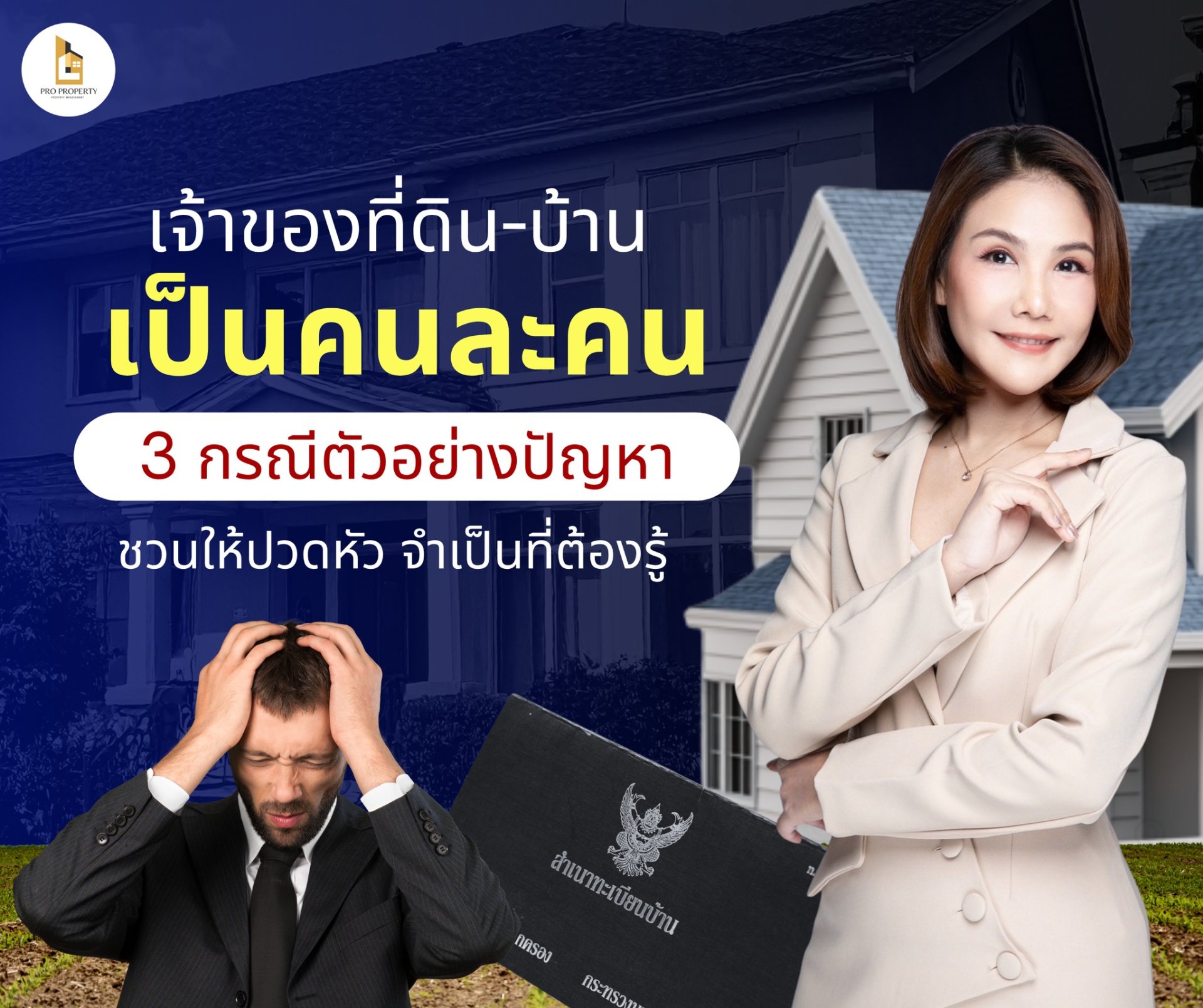
If the landowner and the house owner are different people, and their names don't match, it can lead to headaches later on.
This problem of different landowner and house owner can occur in many situations, but the most common is when a house is built on inherited land or on land belonging to someone else, such as a father-in-law, mother-in-law, or relative with whom there was an initial good relationship but later developed conflicts.
So how do you deal with such a problem? This article will delve into the issue of "different landowner and house owner," understanding the relevant legal rights and consequences to find the best solution.
__________________________________________
1. If the landowner and the house owner are different people, who owns the house?
It's important to know that if you build a house on someone else's land, the house becomes part of that land. The person with ownership of the house is therefore the owner of the land. Even if the house owner's name is listed as the head of household in the household registration, they do not have ownership of the house or the land.
Therefore, if you're planning to build a house, the best option is to build it on your own land. Because if problems arise, such as disputes or the landowner wanting to sell the land, ultimately, you will be the one who has to move out.
__________________________________________
2. The landowner and the house owner are different people. Can the land be sold?
Another problematic situation is when the landowner wants to sell the land, but the house owner refuses to vacate. In this case, the landowner can sell the land and sue the house owner to force them to move out, possibly requiring them to pay relocation costs. Alternatively, the best option is to take the land title deed and the original house registration to the district office and change the house owner's name to match the landowner's.
__________________________________________
3. The landowner and the house owner are different people. Can the land be rented out to others?
Another common problem is when the landowner and the house owner are different people, and the landowner allows others to reside on the land without a rental agreement, with the occupants listed as the homeowner on the house registration. The landowner may intend for the homeowner to oversee the land or for other reasons.
If the land has a title deed and more than 10 years have passed without the landowner overseeing the property where the occupants reside, the homeowner may claim adverse possession to gain ownership of the land.
Furthermore, if the landowner holds a land title document such as a Nor Sor 3 or Nor Sor 3 Kor, and the homeowner claims adverse possession for more than a year without the landowner contesting or filing a lawsuit, the landowner may lose their right of possession of the land.
From the landowner's perspective, if it is necessary to allow others, including relatives, to reside on their land, a contract should be in place clearly stating that those residing on the land are tenants, homeowners, or other statuses to prevent adverse possession.
__________________________________________
Long-term lease agreements are divided into simple lease agreements and reciprocal lease agreements, with the following details:
Simple Lease Agreement
• Rent is paid to the tenant.
• Lease rights are non-transferable.
• Legal action is possible if there is a clear written lease agreement.
• Legal action is possible within 3 years.
Reciprocal Lease Agreement
• Compensation is paid in addition to rent.
• Lease rights can be transferred to heirs.
• Structures on the land become the property of the lessor.
• Renovations or additions become the property of the lessor.
__________________________________________
Thank you for the valuable information from DD Property.